


Revenue Cycle Management is no longer operational support. It has become a core driver of enterprise strategy.
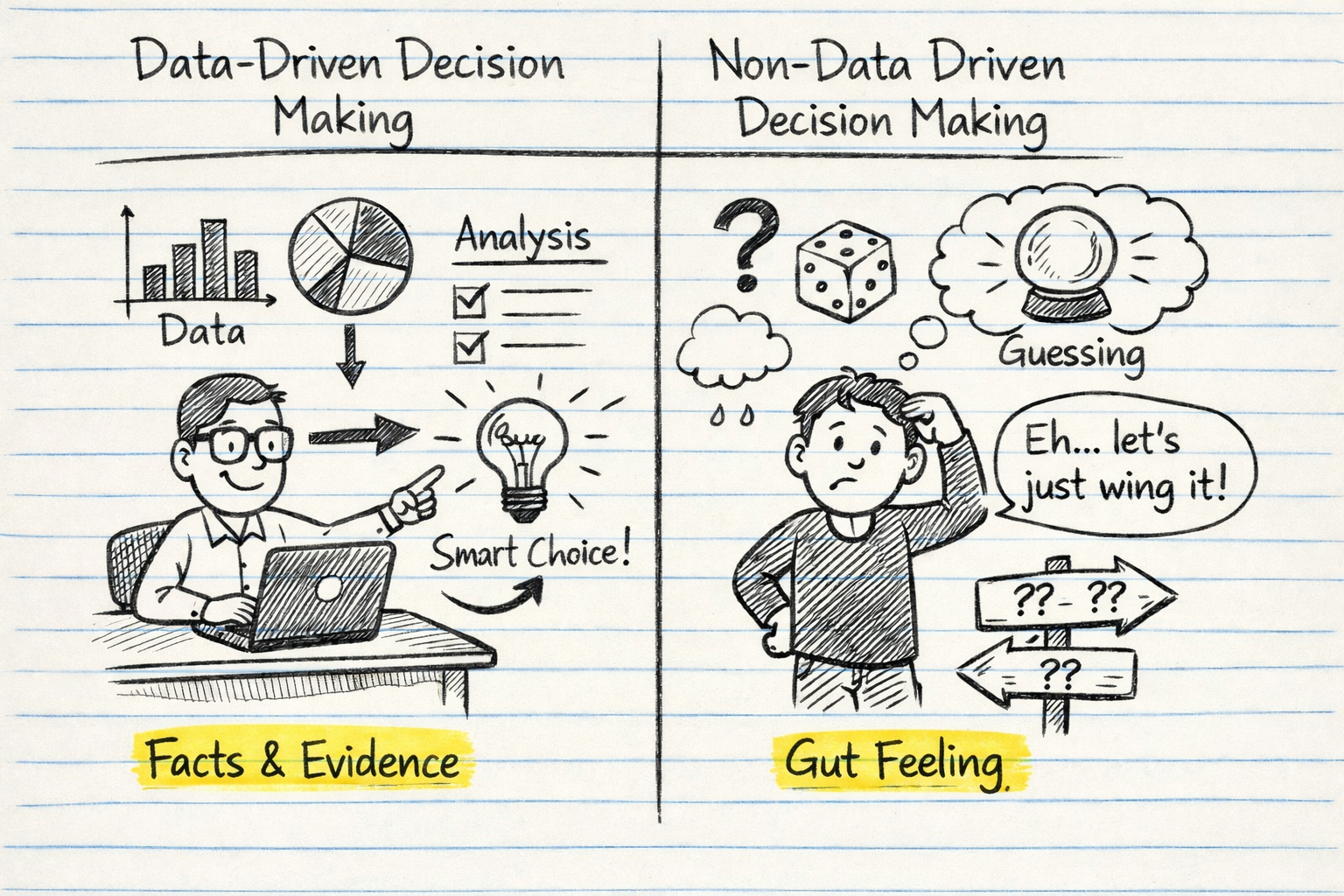
For years, RCM operated largely in the background, closing books, working denials, and explaining performance variances after the fact. In today’s healthcare environment, that reactive model is no longer sustainable. Organizations that treat the revenue cycle as a predictive financial engine will lead. Those that rely primarily on intuition and retrospective reporting will struggle to keep pace.
The difference is data.
Margins remain under sustained pressure. Labor costs continue to rise. Payers are deploying increasingly sophisticated automation and edits. Regulatory requirements are evolving at both federal and state levels. At the same time, workforce shortages are straining operational capacity.
Recent legislation, including provisions within the One Big Beautiful Bill Act (OBBBA), adds additional reimbursement and compliance complexity. Funding adjustments, reporting requirements, and oversight measures do not remain theoretical. They ultimately affect cash flow, staffing models, documentation processes, and financial performance.
RCM leaders are no longer just managing workflows. They are translating policy shifts and payer dynamics into financial strategy. That requires clarity, precision, and foresight grounded in trusted data.
Many organizations still manage revenue cycle performance through retrospective reporting. When leadership conversations center on questions like: “Why did cash decline last month? Why did denials increase this quarter? Why did payer mix impact net revenue more than expected?,” the organization is operating in hindsight.
Reactive revenue cycle management creates a lag between performance change and corrective action. In a margin-constrained environment, even a short delay can have measurable financial consequences. A documentation gap across a high-volume service line, a subtle payer rule change that goes undetected, or a bottleneck in prior authorization workflows can compound into significant revenue leakage over time.
The most resilient organizations are not defined by how quickly they appeal denials. They are defined by how effectively they prevent them.
Denials are no longer isolated transactional issues. They are indicators of broader systemic patterns.
Payers increasingly rely on automated rules engines and algorithmic oversight. As denial complexity increases, traditional manual review processes struggle to keep up. Without advanced analytics, organizations address denials individually rather than identifying root causes across CPT codes, facilities, providers, and payer policies.
A data-driven approach reframes denials as strategic intelligence. By analyzing trends at scale, RCM leaders can pinpoint upstream breakdowns in documentation, coding accuracy, authorization processes, or contract alignment. Prevention becomes measurable and repeatable rather than reactive and labor-intensive.
Legislative and regulatory shifts, including those associated with OBBBA, rarely create immediate, isolated impacts. Instead, their financial implications unfold over quarters, influencing reimbursement structures, compliance requirements, and reporting expectations.
To navigate this environment effectively, revenue cycle leaders must move beyond static dashboards. They must model financial scenarios and ask forward-looking questions:
This level of foresight requires unified, normalized, and trusted enterprise-wide data. Fragmented systems and disconnected reporting environments make predictive decision-making nearly impossible.
A data-driven revenue cycle organization does more than report historical performance. It anticipates future outcomes and aligns operational decisions with financial strategy.
With integrated analytics, organizations can:
As boards and executive teams demand greater financial transparency and accountability, RCM has earned a seat at the strategic table. The ability to bring evidence, forecasting, and measurable performance drivers strengthens that position.
Technology alone does not create a data-driven organization. Sustainable transformation depends on governance, alignment, and trust.
High-performing RCM organizations establish standardized definitions across departments, ensure alignment between clinical, financial, and IT leadership, and implement governance structures that protect data integrity. Performance metrics are clearly tied to measurable outcomes, and accountability is embedded within operational workflows.
When teams trust the data, decision-making accelerates. Conversations shift from anecdotal explanations to evidence-based strategy. Over time, this cultural shift becomes a multiplier for financial performance.
Healthcare complexity will continue to increase. Payer sophistication is unlikely to decline. Regulatory pressure and margin constraints will persist.
The organizations that lead in this environment will integrate clinical and financial data, leverage predictive analytics across the revenue cycle, and move from static dashboards to forward-looking decision engines. They will replace instinct with evidence and reaction with anticipation.
Data-driven decision making in revenue cycle management is not simply a modernization initiative. It is how healthcare organizations build financial resilience and strategic advantage in a volatile market.
Data-driven revenue cycle management (RCM) refers to the use of integrated clinical and financial data, advanced analytics, and predictive modeling to guide operational and strategic decisions across the revenue cycle. Rather than relying solely on historical reports, organizations use forward-looking insights to optimize cash flow and reduce revenue leakage.
Predictive analytics enables healthcare organizations to anticipate denial trends, forecast reimbursement impacts, identify operational bottlenecks, and proactively address performance risks before they affect financial outcomes.
Legislative changes can influence reimbursement structures, reporting requirements, and compliance standards. These shifts affect cash flow projections, documentation requirements, and staffing strategies. Modeling financial impact early helps organizations maintain stability and avoid unexpected revenue disruption.
Common barriers to becoming a data-driven RCM organization include fragmented data systems, inconsistent metric definitions, and limited analytics capabilities that make it difficult to generate trusted insights. Just as significant are human factors — uncertainty about where to start, fear of exposing performance gaps, and cultural resistance to change can quietly stall progress. Successful transformation requires more than technology; it demands strong data governance, cross-functional alignment, clear metric standardization, and leadership commitment to create confidence, transparency, and accountability across the organization.
Organizations can begin by unifying data across EHR and billing systems, standardizing key performance indicators, implementing advanced analytics tools, and fostering a culture of accountability grounded in measurable outcomes.